
Worklist Order Is a Patient Safety Issue That Radiology Operations Ignore
When arrival time determines read order, urgent findings wait their turn. The case for treating worklist prioritization as a clinical risk management problem.
Read articleWritten for radiologists and radiology operations leaders.
When arrival time determines read order, urgent findings wait their turn. The case for treating worklist prioritization as a clinical risk management problem.
Read article
A plain-language breakdown of what AI chest CT triage actually does, what it catches, and where the radiologist stays in control.

Staffing more radiologists is not the only path to faster reads on urgent cases. Smarter worklist ordering gets you there first.
Lung-RADS 3 findings demand timely follow-up. Here is why standard queue order keeps them buried and how targeted triage surfaces them faster.
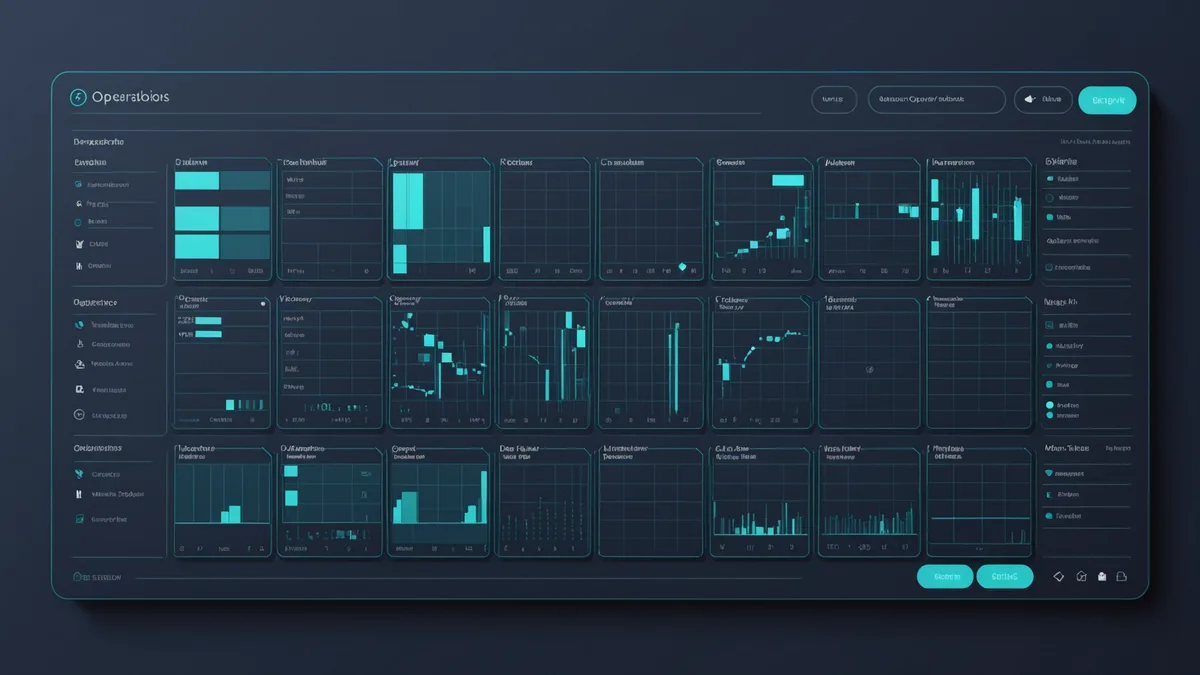
Operations leaders have more control over worklist order than they realize. A look at the levers available and where AI fits in the picture.
Time matters differently for bleeds and pulmonary emboli than for routine studies. Why these two findings need worklist top position, not queue position.
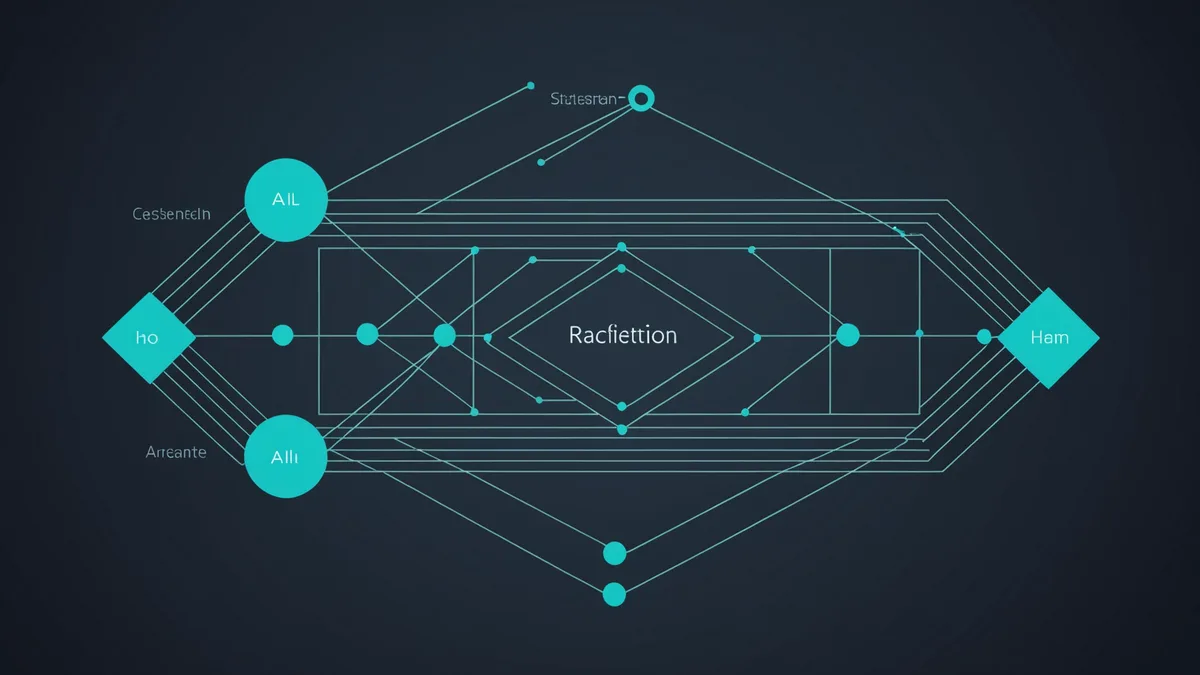
Decision-support software in radiology is often described vaguely. Here is a concrete breakdown of what it does, what it does not do, and why the distinction matters clinically.

A primer for radiology administrators and referring physicians on how radiologist worklists work, and why the sequence of cases has real clinical consequences.

Every radiologist reading in queue order has felt it: the urgent finding that should have been read first, now deep in the stack. The operational and human dimensions of a problem the industry normalizes.

The technical side of how a machine learning model trains to distinguish urgent from routine chest CT findings, explained for a clinical audience.

A systems view of the chest CT workflow from scanner to worklist, with a clear map of the single step where AI triage creates the most value.
Radiology departments had sophisticated imaging equipment and smart radiologists, but the worklist was still sorted by clock-in time. That was the problem worth fixing.
Talk to our clinical team about what triage prioritization looks like at your institution.